 hy
hy
Comprehensive support has been provided to five schools in the Masis community to improve their disaster risk management capacities.
-webp().jpg?token=cdf2207162e7153d28001e482dc8bf5d)
Between August and December 2025, within the framework of a joint initiative between the Disaster Risk Reduction National Platform Foundation and UNICEF, and with the financial support of the latter, comprehensive assistance was provided to the secondary schools of Marmarashen, Sayat-Nova, Sis, Noramarg, and Ranchpar aimed at strengthening their disaster risk management capacities.
The need for this support had been identified back in 2024 during the evaluation of a field exercise conducted in Masis community at the community level, where, according to the exercise scenario, four of the mentioned schools were designated as evacuation schools and one as a hosting school.
Provided support
Development of Disaster Risk Management Plans and training on the planning process.
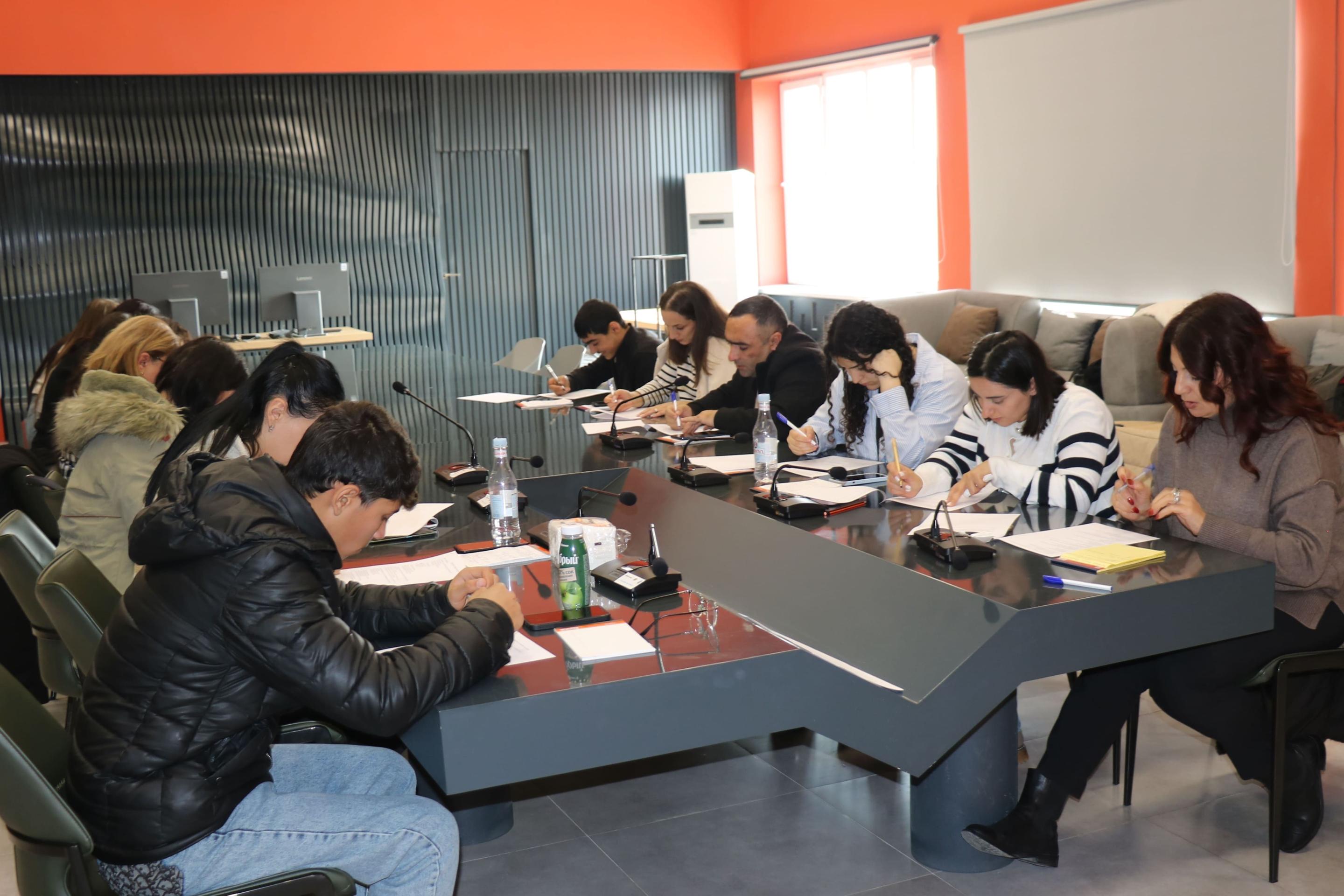
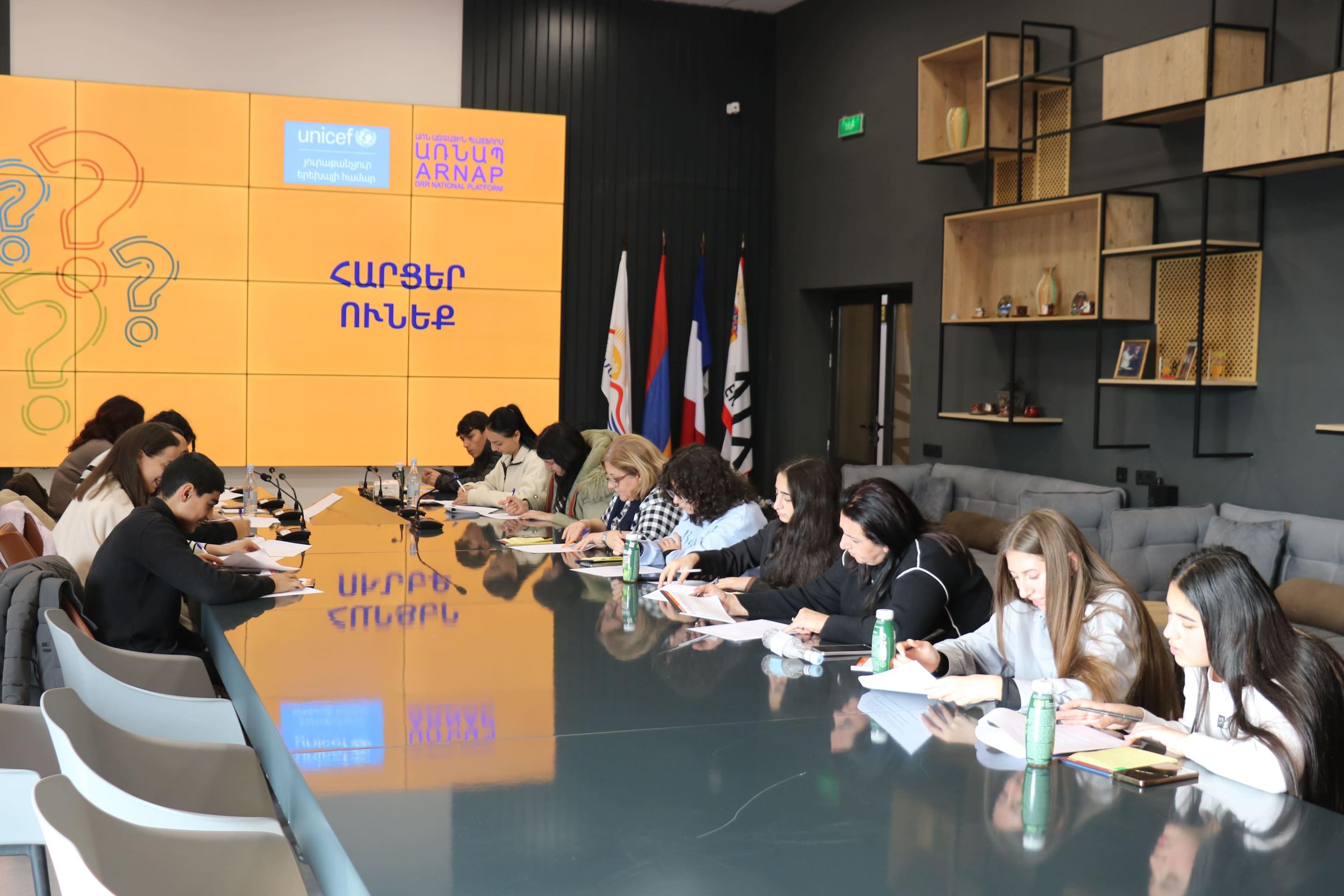
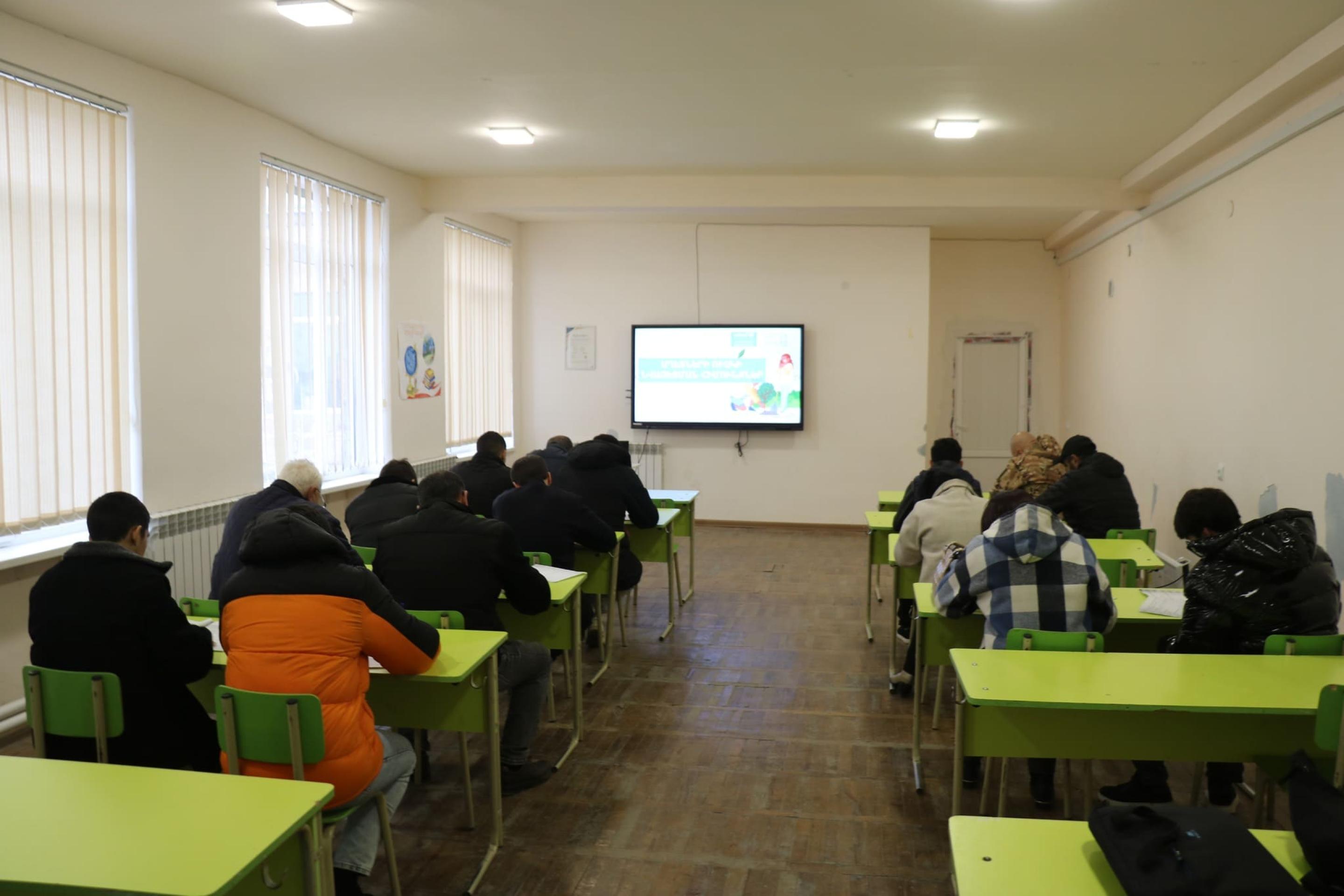
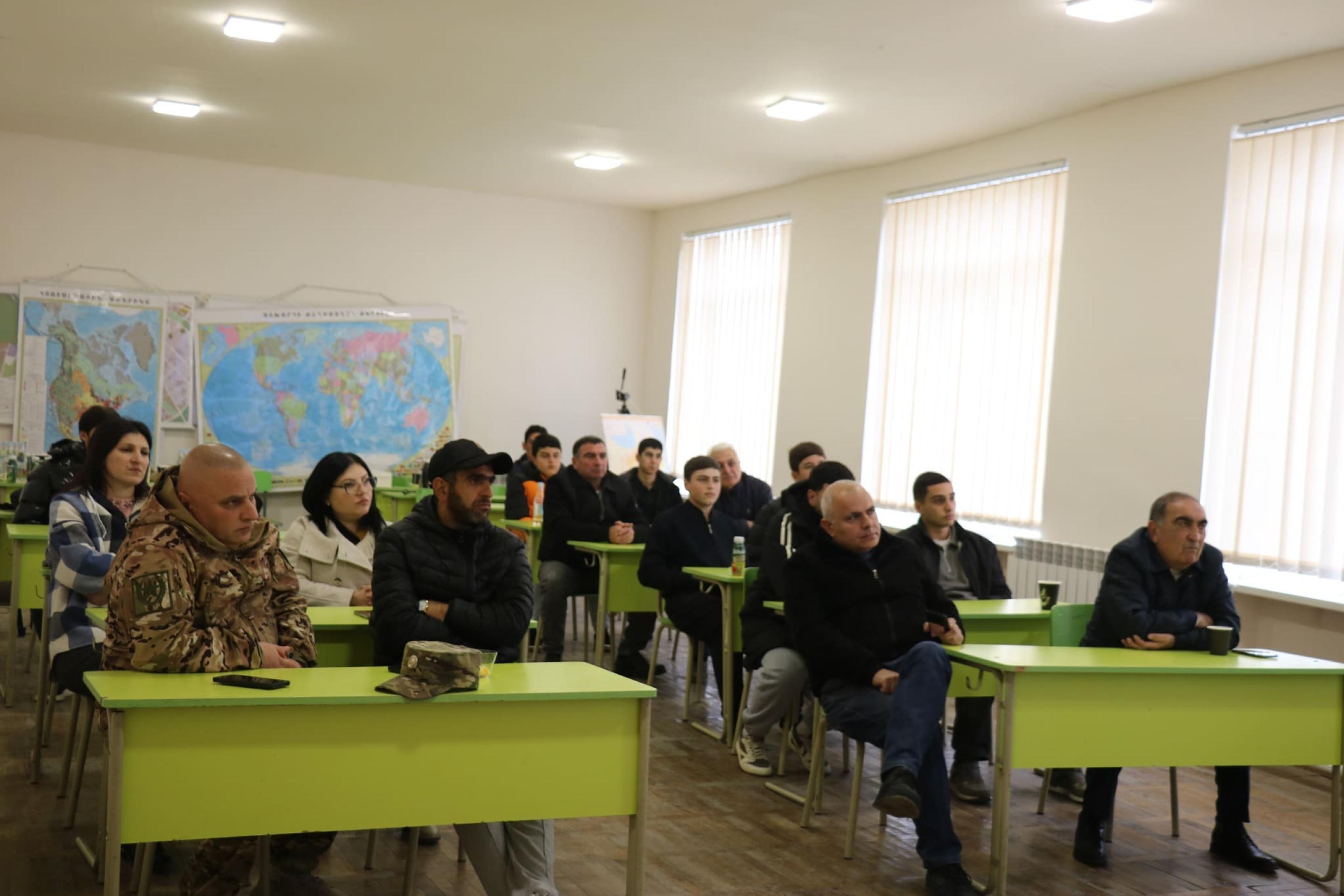
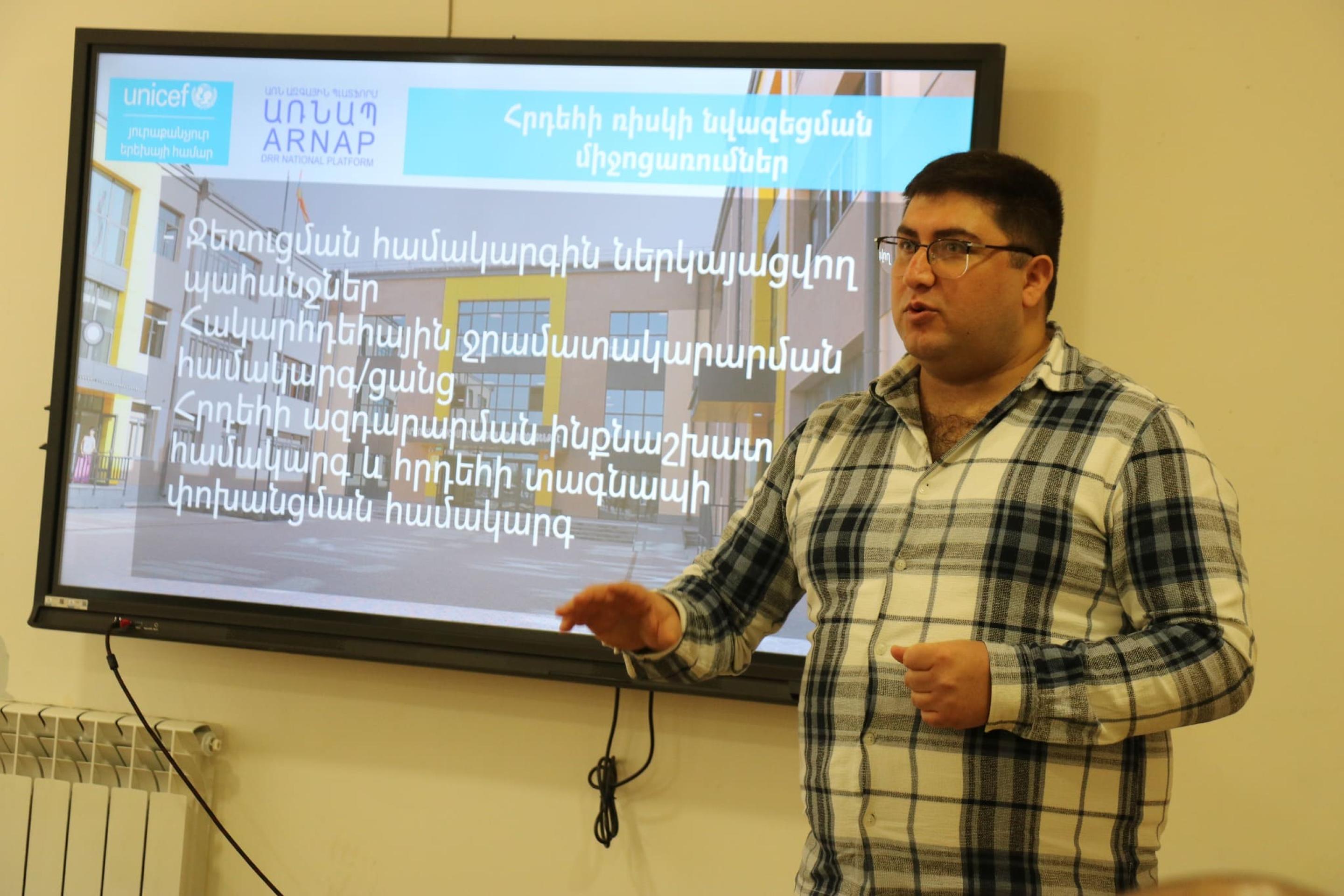
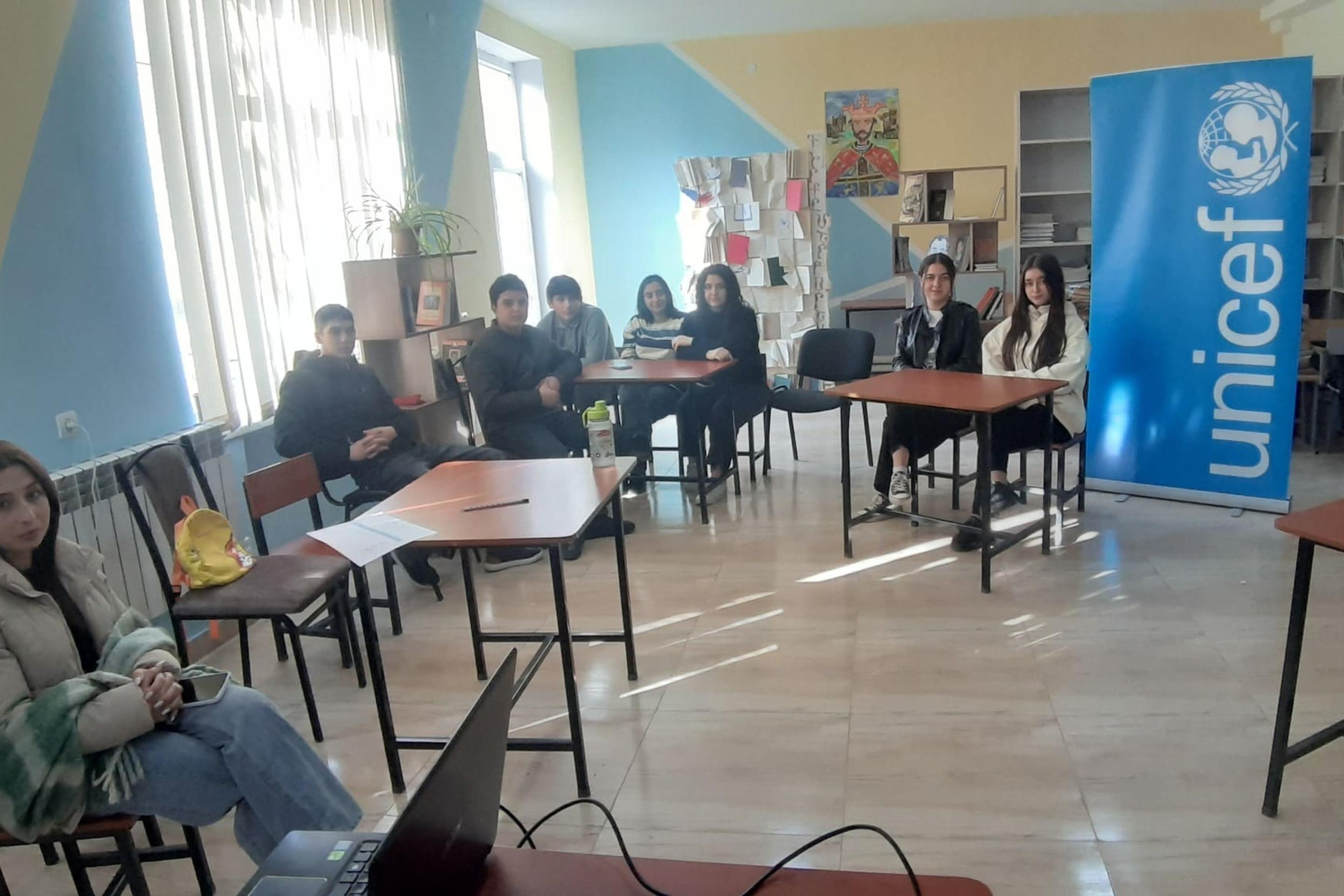
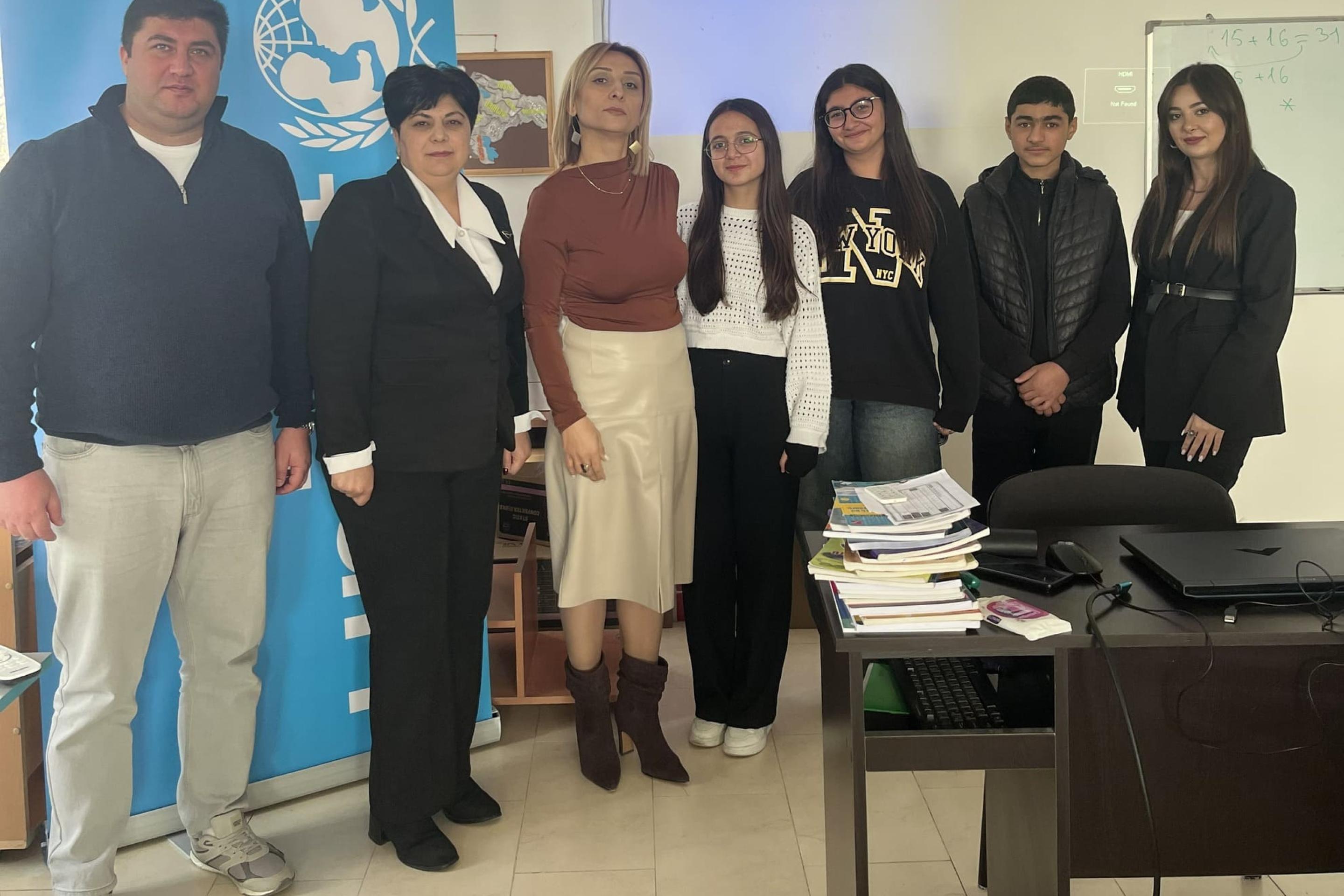
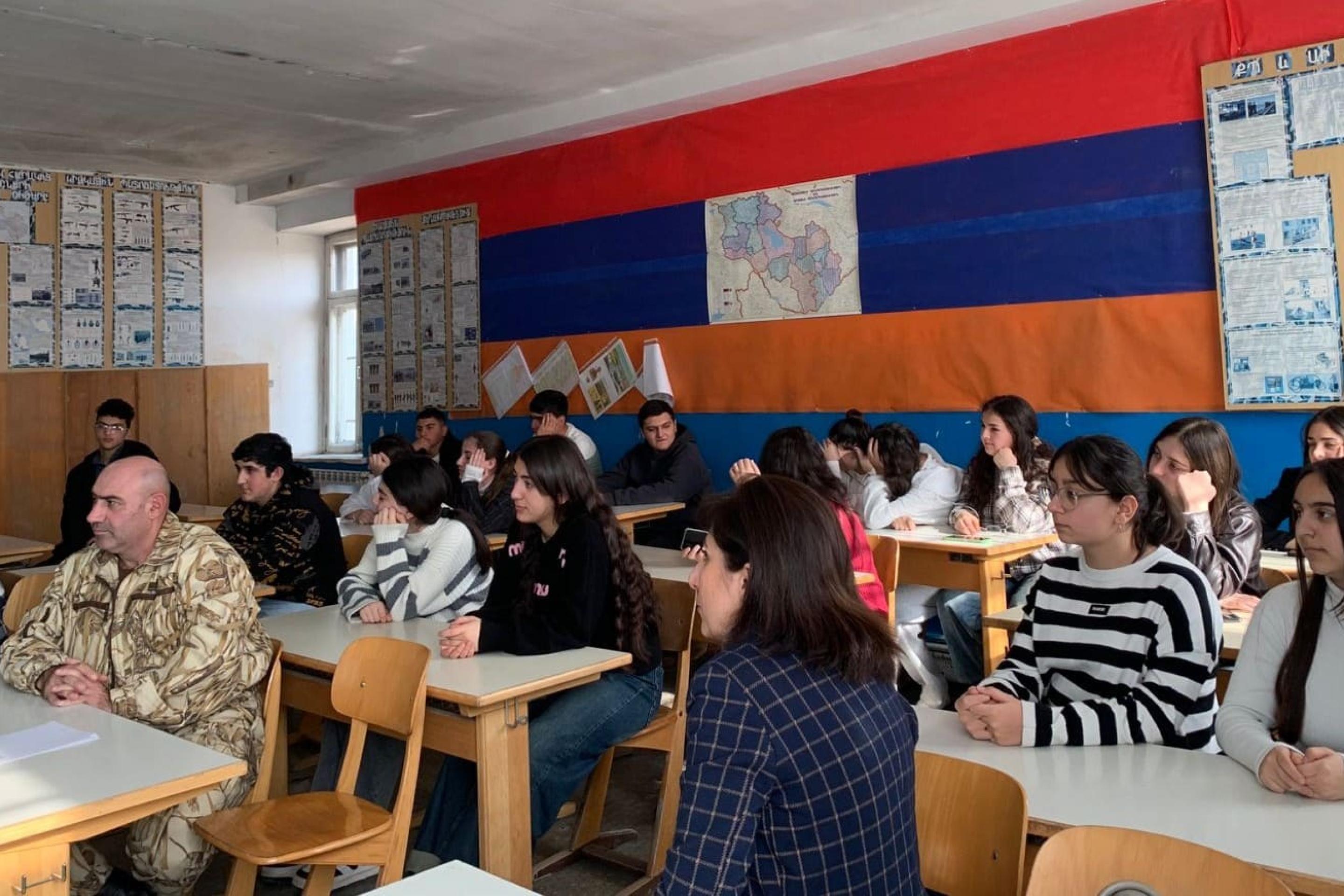
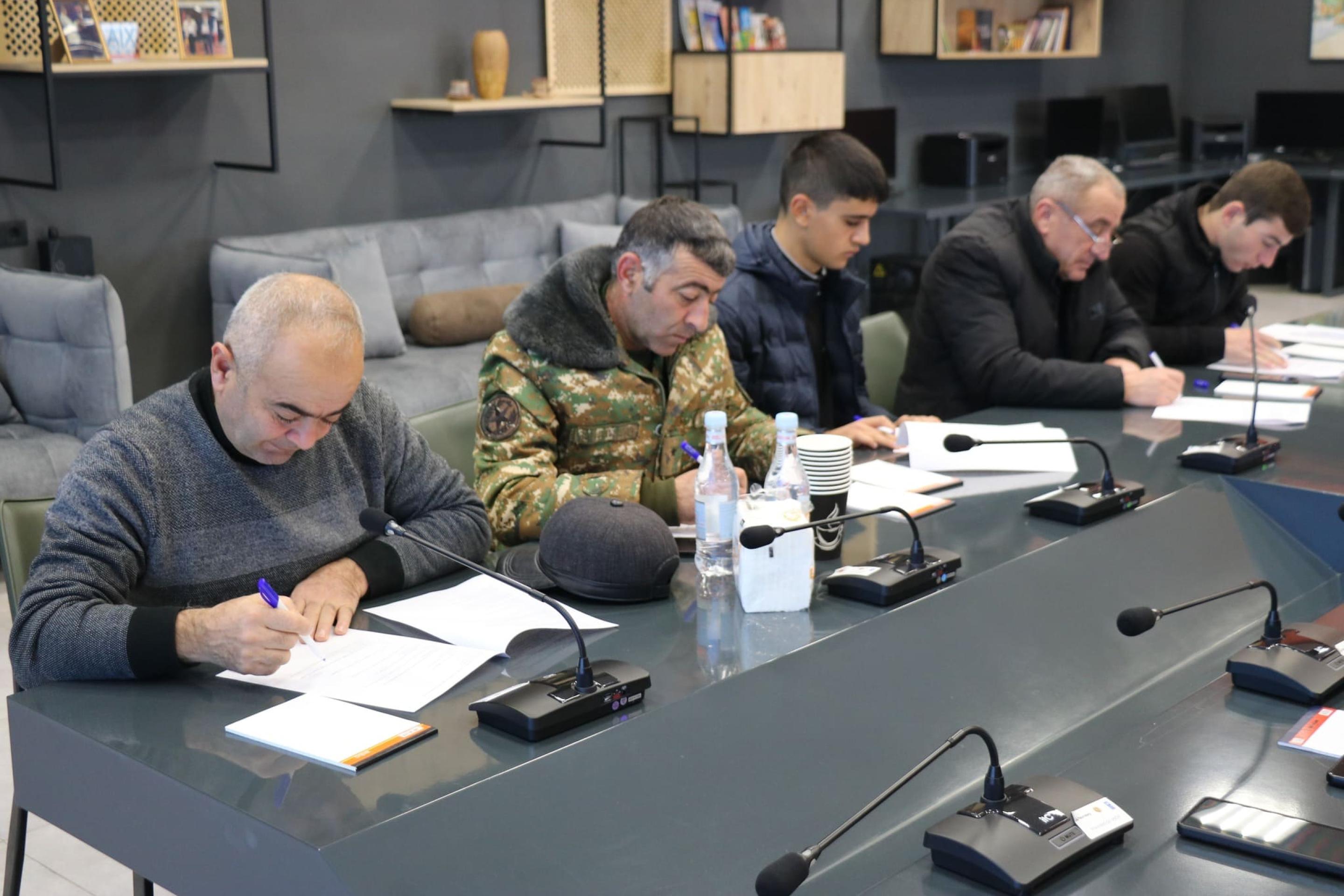
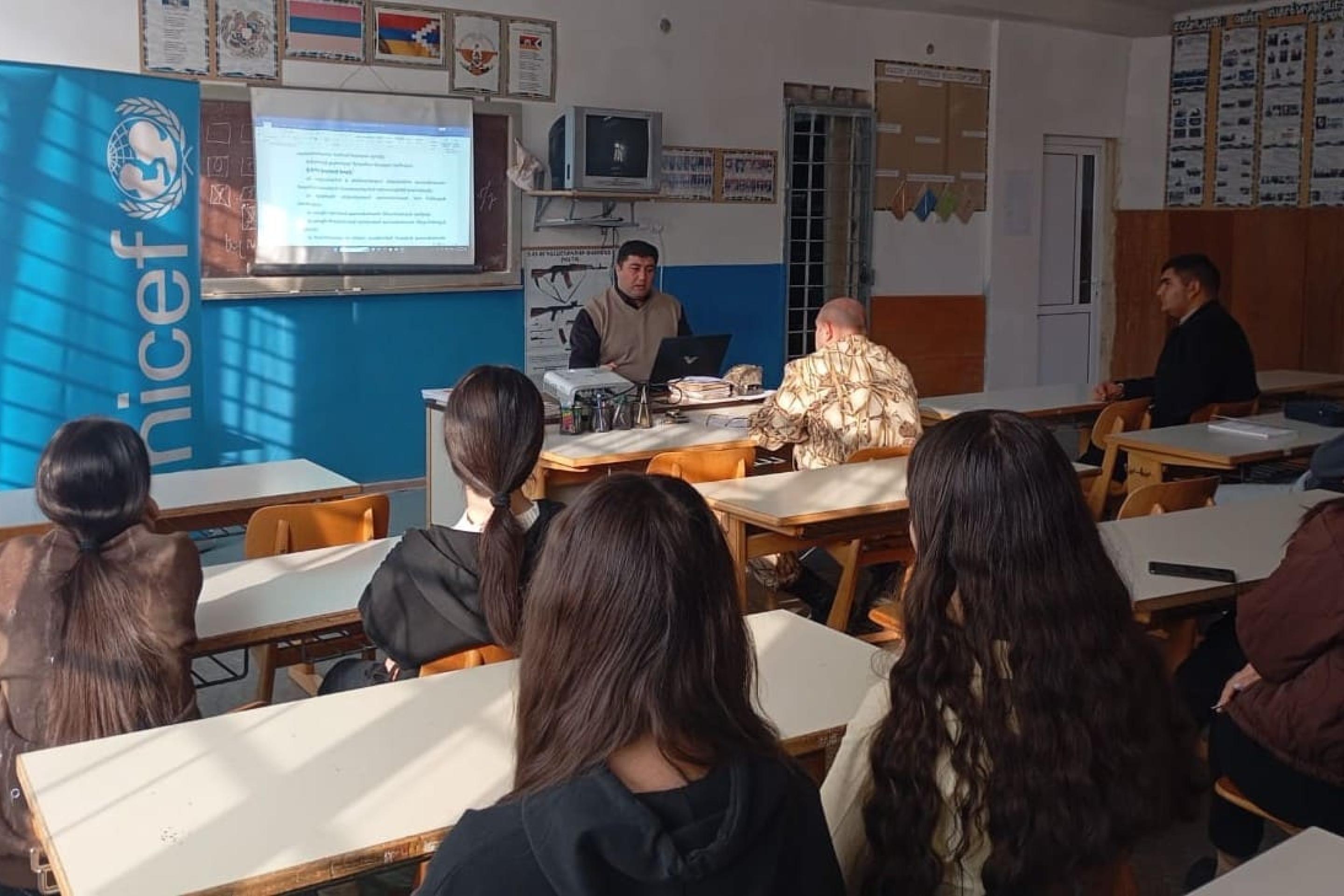
In all schools, trainings on “Basics of Disaster Risk Management Plan Development” were conducted, as a result of which the schools gained a clearer understanding of the full process of developing DRM plans and now have updated, higher-quality plans that have been coordinated with the Ararat Regional Rescue Department. The trainings were carried out in a logical sequence of DRM planning steps, combining theoretical and practical work. Both staff and students were involved in the process. Students played an important role in collecting and verifying data required for the development of the DRM plans, working closely with school staff. Discussions were also held on hazard identification and risk assessment, taking into account the perspectives and observations of both students and staff. On the second day of the training, specialists from the DRR National Platform Foundation presented the drafted DRM plans based on the results of the first day’s practical assignments, followed by discussions and necessary adjustments.
Trainings were also conducted for designated DRM sectoral groups, in particular:
First Aid
First aid response capacities were improved. Through two-day trainings (one per school), knowledge and skills were transferred to both staff and students. Trainers introduced the basics of first aid, emergency response steps, checking consciousness, airway obstruction types and responses, recovery position, cardiopulmonary resuscitation (CPR), and first aid for bleeding, burns, fractures, poisoning, sudden medical conditions, and other emergencies. Practical exercises were conducted to transform knowledge into skills, and simulation scenarios were used to assess participants’ ability to respond appropriately. A total of 155 participants attended the trainings, including 99 school staff members and 66 students.
Psychological First Aid
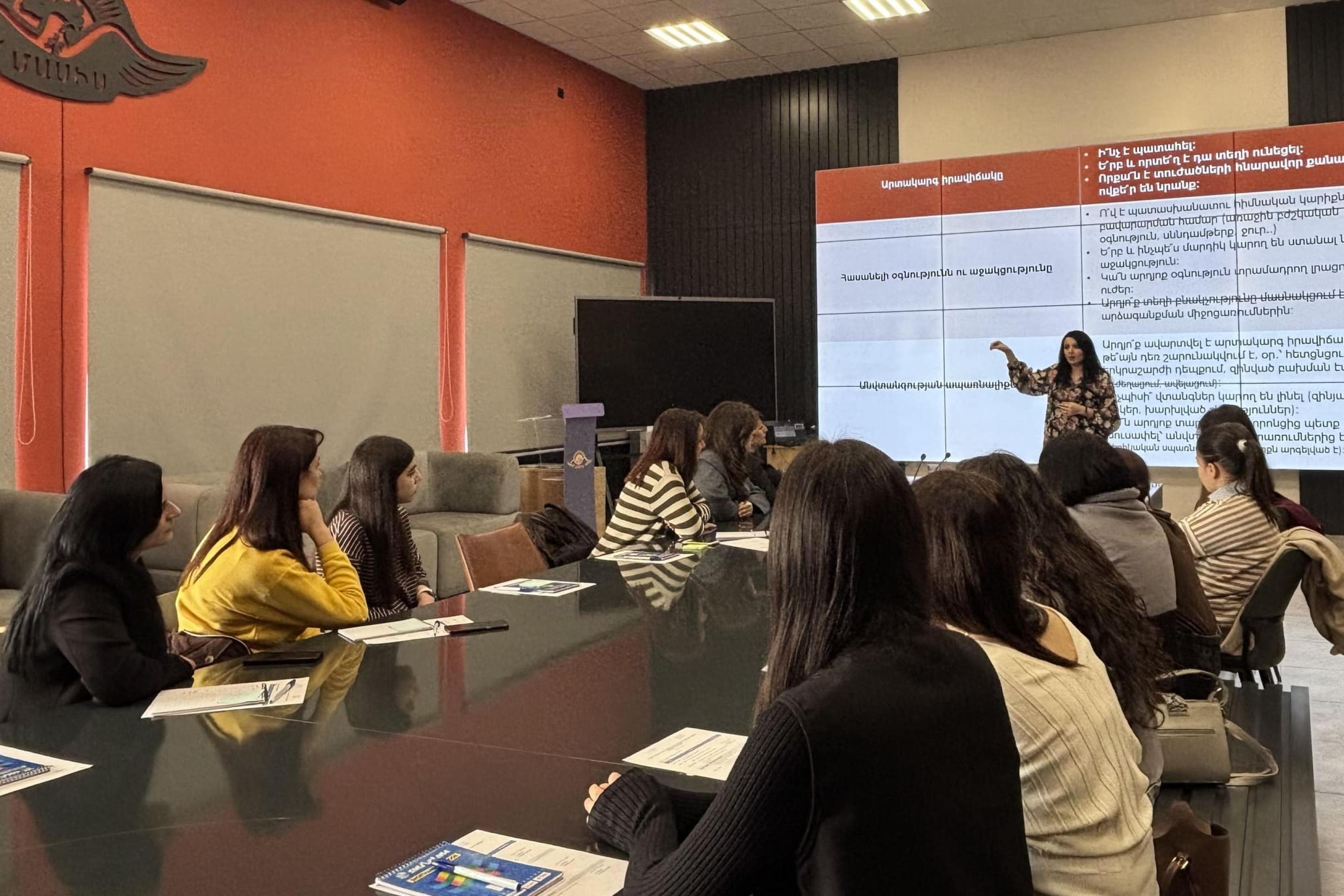
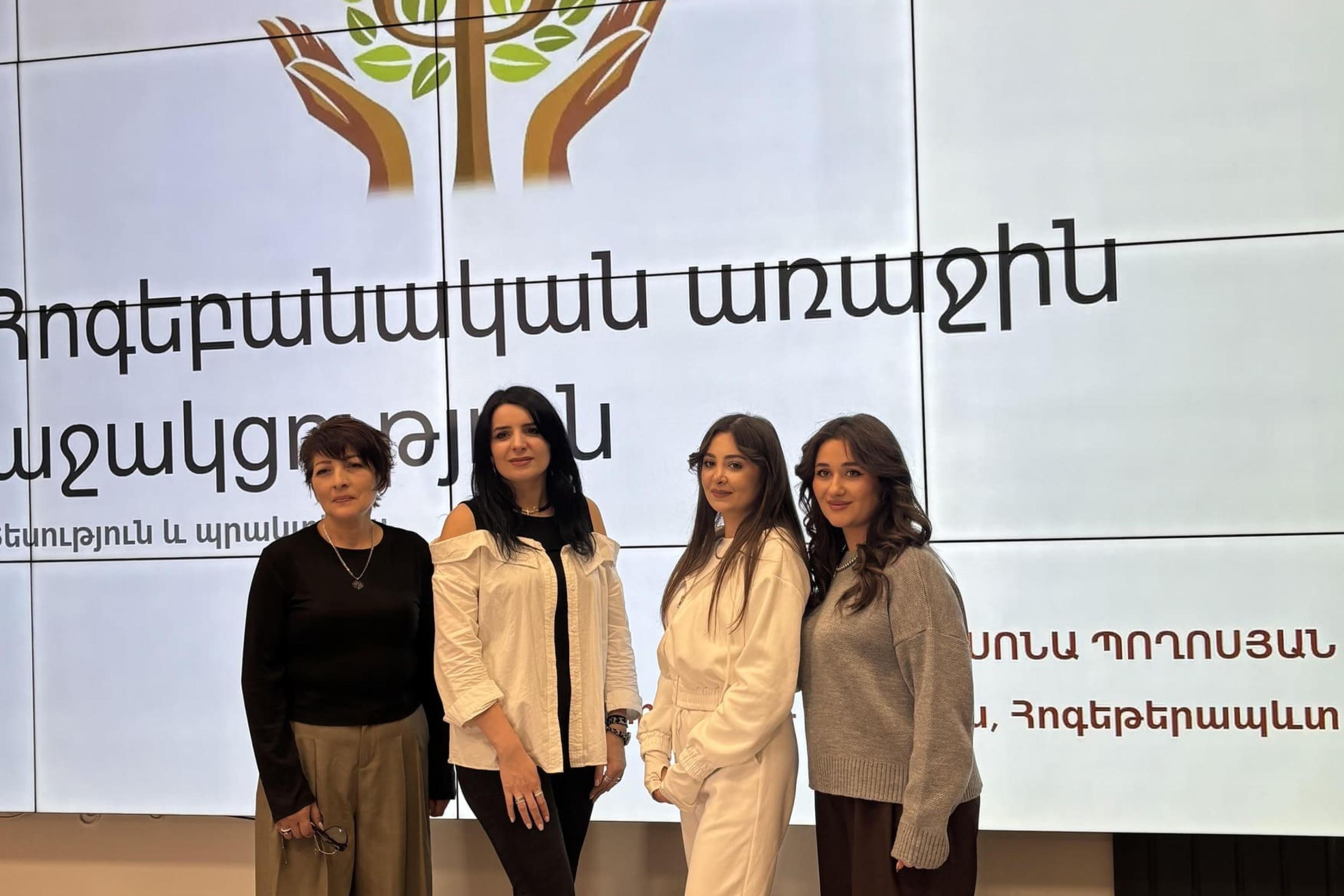
Training on “Psychological First Aid in Emergencies” was conducted for school PFA focal persons and group members using a new interactive and participatory approach. Participants engaged not only in theoretical sessions but also in role-plays, group exercises, and realistic simulations.
On the first day, the following topics were covered: principles, objectives, and application of psychological first aid; selection and roles of PFA focal persons and annual planning; principles of appropriate response in emergencies, emotional and physical safety, and effective communication; preparatory steps for PFA implementation, including coordination, organization of initial services, communication with distressed individuals, and identification of vulnerable groups; and phases of psychological support delivery such as establishing contact, stabilization, and information gathering. Role-play exercises were conducted based on real-life scenarios.
On the second day, participants further developed practical skills through review sessions, discussions on assessment and planning, response actions, coping and referral mechanisms, and additional simulations and group work. The training was attended by 16 participants, including 13 teachers and 3 students.
Fire Safety
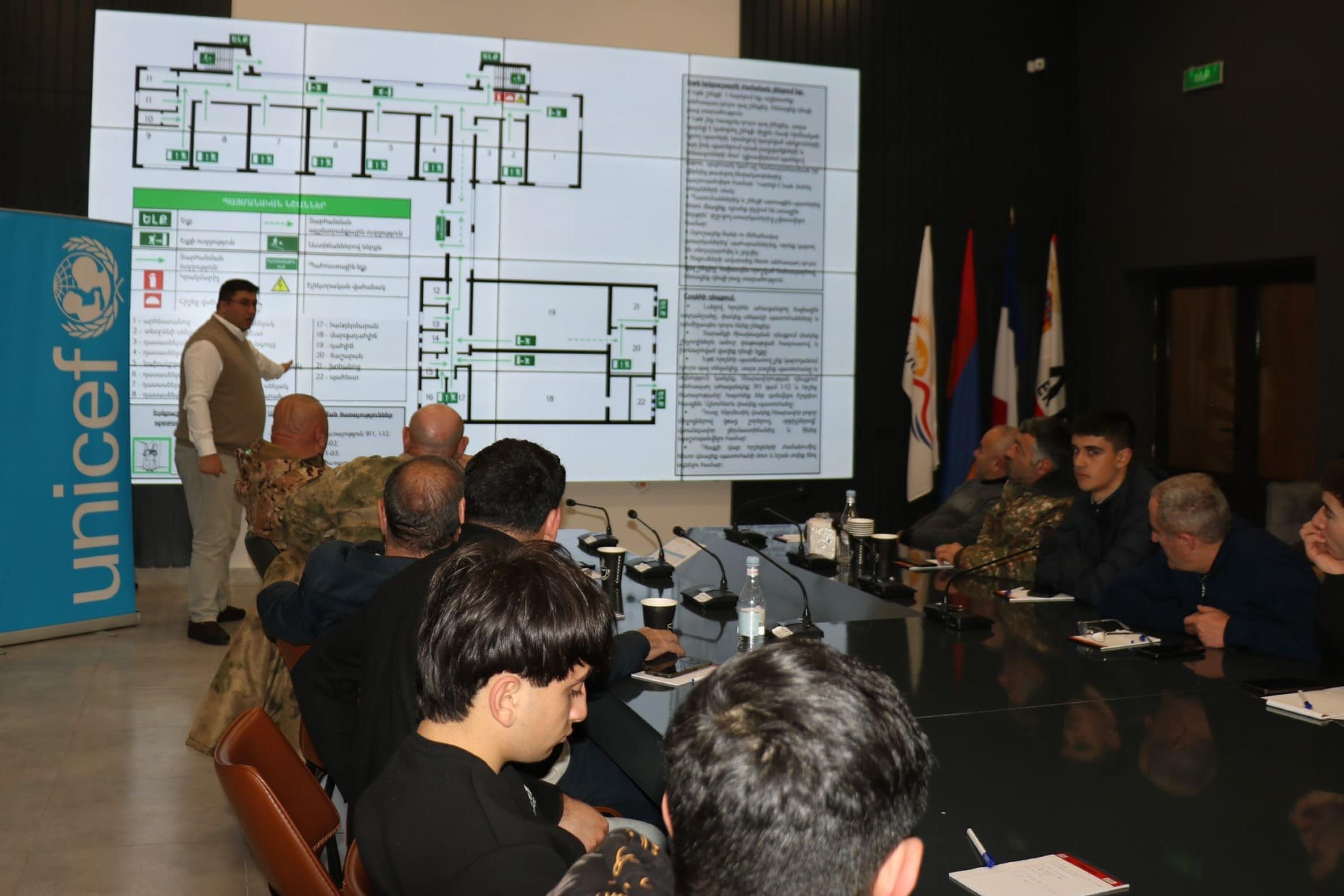
Fire safety issues were also discussed with school representatives, covering legal requirements, citizens’ responsibilities, main causes of school fires, material and technical preparedness, proper use of equipment, fire safety standards, practical exercises, and response procedures. Group work and Q&A sessions were also conducted. A total of 15 participants took part, including staff and students.
Evacuation and Sheltering
This training focused on organizing evacuation and sheltering in emergencies. Discussions were held on forms of population protection in emergencies, with special emphasis on evacuation and sheltering; hazards relevant to the area that may require evacuation or sheltering; appropriate actions for different scenarios; organization of evacuation and sheltering processes; and basic protective structures and alternatives when such facilities are not available. The training took place in an active discussion format, with participants sharing experiences and raising questions, which were addressed in a clear and accessible manner. Special attention was given to the school component of the community DRM plan, particularly evacuation and sheltering roles.
Warning and Information Exchange
The final thematic group covered warning and information exchange. Participants were introduced to the national alert system, internal warning mechanisms, types of alerts, their meanings, and corresponding actions. Principles, methods, and channels of information exchange were also discussed, along with the roles of the sectoral group in both preparedness and response phases. One training was conducted with 14 representatives from all five schools, including 10 teachers and 4 students.
Information Security
The final training topic was information security, aimed at improving knowledge among staff and students, promoting safe and responsible digital behavior, increasing engagement in the educational process, and providing practical skills for data protection and risk prevention. Two separate curricula were developed: one for teaching staff and one for students.
Overall, 320 participants attended the five trainings, including 75 teachers and 245 students.
Practical drills
To test the practical application of the knowledge gained through the trainings, simulation exercises were conducted in all schools. They were carried out based on pre-developed scenarios. Before the actual drill, a brief and general briefing was conducted in each school, during which roles and responsibilities were once again discussed. During the drill itself, various incidents (injuries, psychological trauma, missing persons, etc.) were staged, during which an observation team monitored the school’s response to the simulated emergency situation. Finally, after the completion of the drill, the results were discussed, during which the school staff first provided their assessment of the conducted actions, followed by a structured summary presented by the professional team of the DRR National Platform Foundation. All individuals present in the schools at that time participated in the drills (staff, parents, and students).
Technical and material support
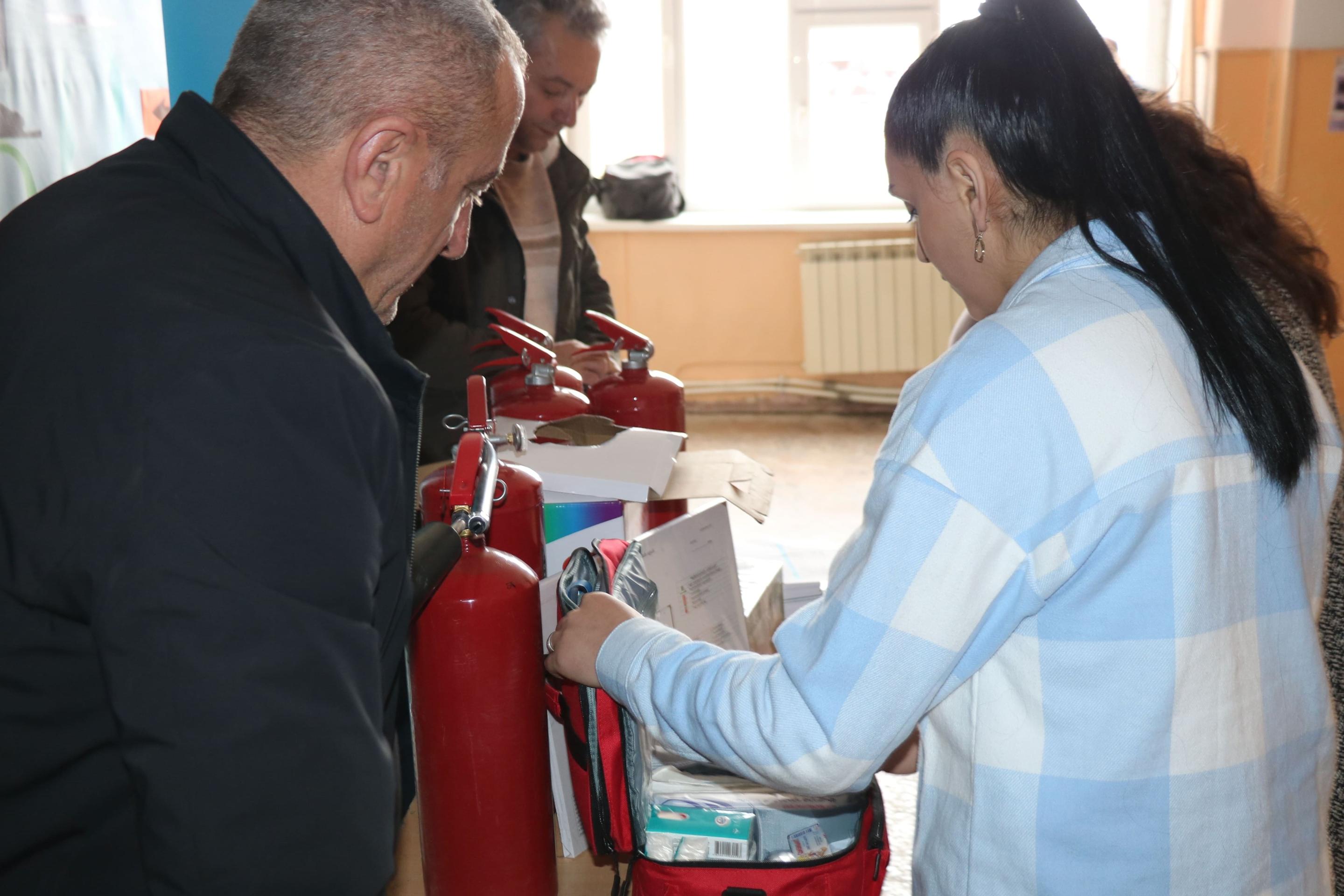
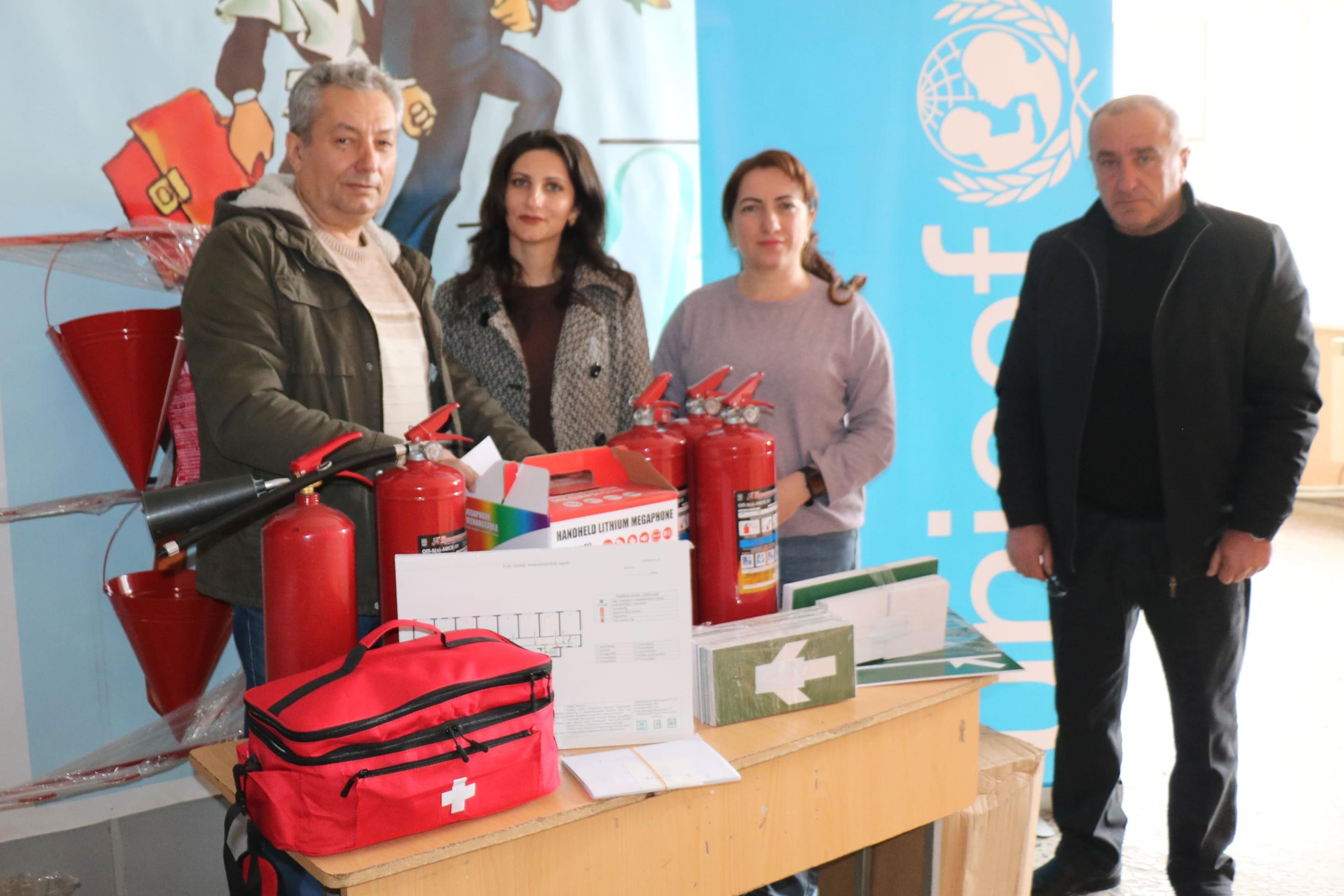
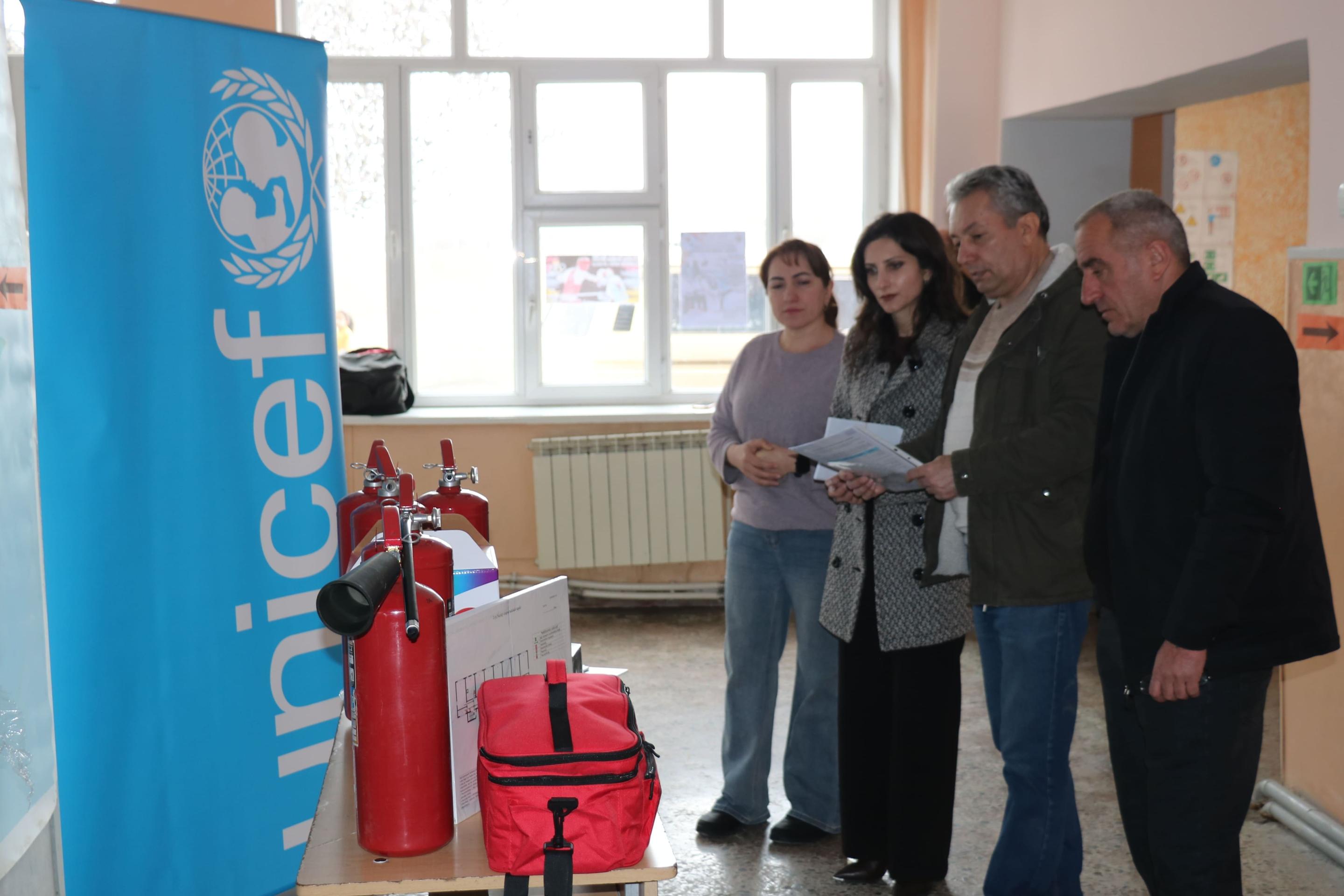
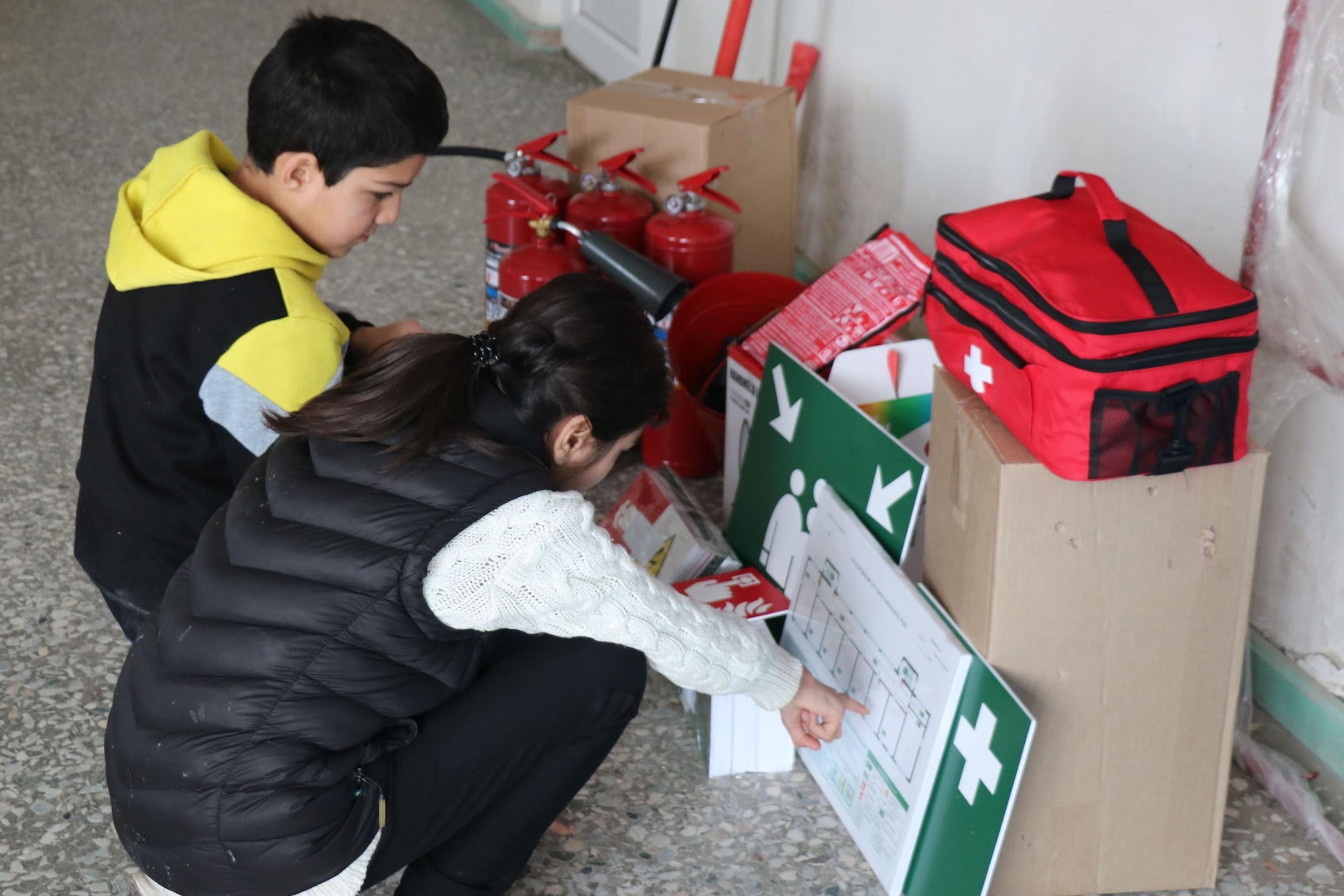
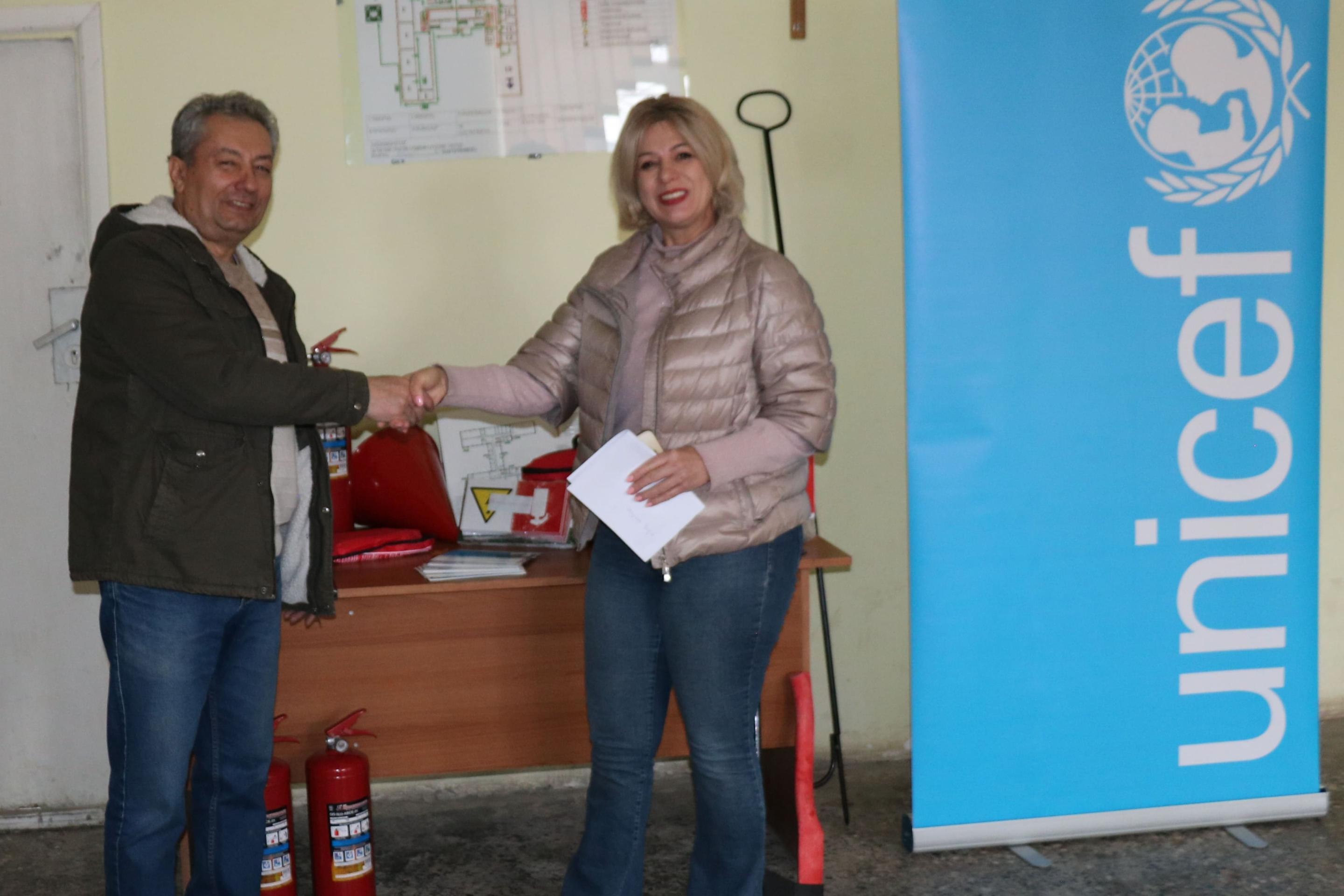
As a final component, all schools were provided with disaster risk management equipment and supplies. While the types of items were identical across schools, quantities varied depending on school size, needs, and available funding within the initiative.






 european union civil protection and humanitarian aid
  unhcr
unhcr  world vision armenia
  Studio One